BS5839-1and BS5266-1 STANDARD fire resistance

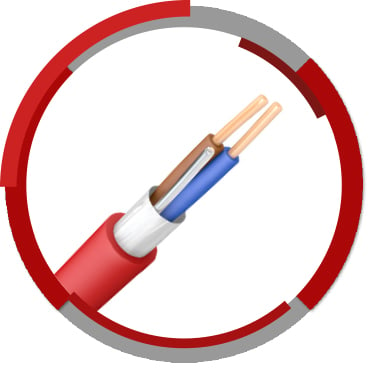
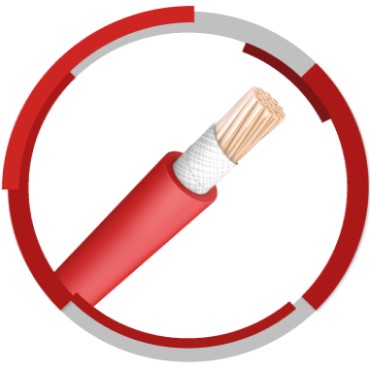
FP200 Gold : BS EN 50200 PH30 STANDARD
Resistance to fire and mechanical shock only. 850 °C flame applied directly to FP200 Gold clipped to backboard for thirty minutes. Indirect impact every five minutes for test duration. PASSWatch the test >

FP200 Gold : BS EN 50200 ANNEX 'E' STANDARD
Resistance to fire and mechanical shock only. 850 °C flame applied directly to FP200 Gold clipped to backboard for thirty minutes. Indirect impact every five minutes for test duration. PASSWatch the test >
BS5839-1and BS5266-1 ENHANCED fire resistance

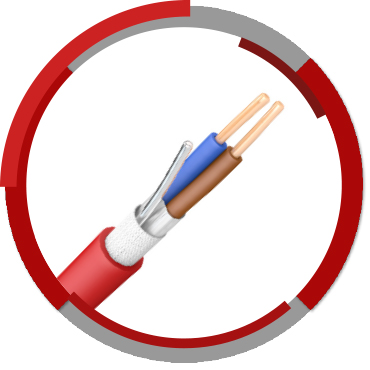
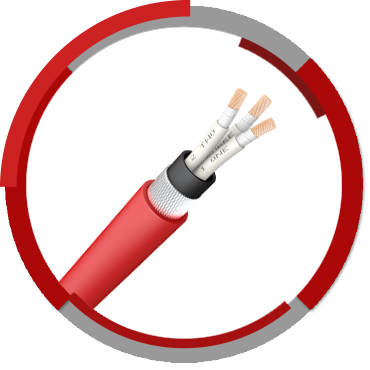
FP PLUS : BS EN 50200 PH120 ENHANCED
Resistance to fire and mechanical shock only. 850 °C flame applied directly to FP PLUS clipped to backboard for one hundred and twenty minutes. Indirect impact every five minutes for test duration. PASSWatch the test >

FP PLUS : BS 8434-2 ENHANCED
Resistance to fire, mechanical shock and water spray. 950 °C flame applied to FP PLUS clipped to backboard for one hundred and twenty minutes. Indirect impact every five minutes, water spray applied after fifteen minutes. PASSWatch the test >
BS8519 Category 3 Power Cable

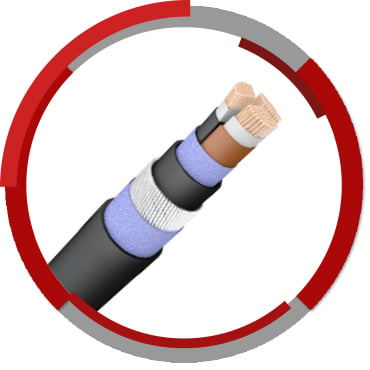
FP600S: BS8491 F120 and BS7846 F120
Resistance to flame, impact and water. 850 °C direct flame applied to FP600S cleated at the point of it's minimum bend radius. Water jet applied directly to the cable at intervals also at the point of minimum bend. Watch the test >
BS 6387 : 1994

FP200 GOLD : BS 6387 Category W
Resistance to Fire AloneWatch the test >

FP200 GOLD : BS 6387 Category C
Resistance to Fire and WaterWatch the test >

FP200 GOLD : BS 6387 Category Z
Resistance to Fire with Mechanical ShockWatch the video >
BS 7846/F2 : 2000

FP400 : BS 7846 / F2 Category C
Resistance to Fire AloneWatch the video >

FP400 : BS 7846 / F2 Category W
Resistance to Fire with WaterWatch the video >

FP400 : BS 7846 / F2 Category Z
Resistance to Fire with Direct Mechanical Shock and Water JetWatch the video >
Prysmian warns against specifying or installing fire performance cable that is not compliant with British Standards or Approved by a third party such as BASEC or LPCB
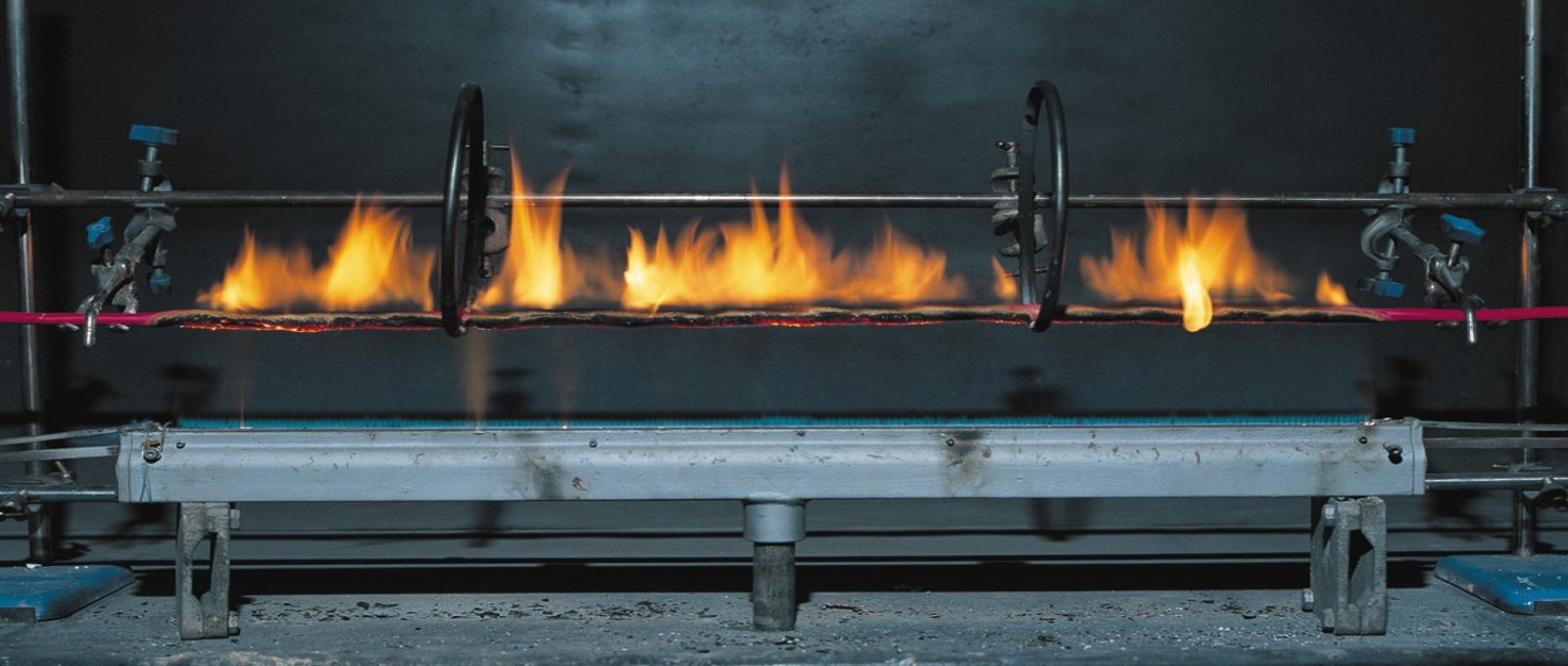
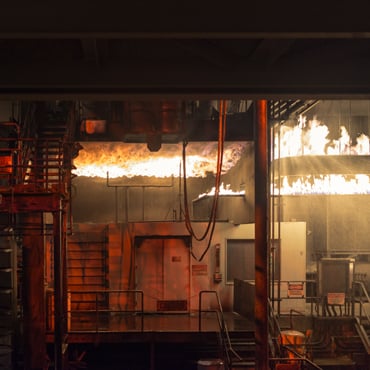
It is during the development of these high performance products that fire testing facilities take centre stage, such as Prysmian's fire testing facility in Bishopstoke. It is a dedicated laboratory with two full time members of staff that conduct over 1500 tests a year and sets FP cables apart from the rest.
There are three main tests conducted on fire performance cables:
- Fire resistance - circuit integrity when burnt or burning.
- Flame propagation - reduce the spread of flame along the cable.
- Smoke emission tests - to help you see your exit.
- Halogen acid gas - to help you see and breathe when escaping.
The fire resistance test measures the time that the cable continues to function under set conditions, retaining its electrical state.
Impact Tests
Impact tests simulate falling materials in a building with water blasts used to replicate sprinklers or fire fighting hoses in a fire situation. A metal rod repeatedly impacts the cable simulating falling materials in a building.
Flame Propagation
Flame propagation tests examine how far a cable burns in a vertical position before it stops burning. Cable is fixed so that it runs vertically inside a fire testing chamber to simulate installation within a building.
Smoke Emission
Smoke emission tests involve burning cable in a smoke cube, which contains a light source at one end and a light sensor at the other. The cable is then set alight and emits smoke into the chamber. The percentage drop in the amount of light travelling from the source to the sensor is calculated and must not drop below a certain percentage depending on the test being applied.
Below are a selection of fire test videos that show the resistance to fire of a selection of our FP cables